Don't Skip the Well Test: The Minnesota Buyer's Complete Guide to Private Wells & Irrigation-Only Systems
In the Twin Cities metro, most homes connect to a municipal water system — water that's treated, tested, and delivered without the homeowner thinking much about it. But step outside the developed suburbs into communities like Otsego, Rogers, Elk River, Zimmerman, or anywhere in greater Minnesota, and private wells are the norm.
If you're buying a home with a private well — whether it's your primary water source or a dedicated irrigation system — understanding what you're buying matters more than most buyers realize.
At Circle Partners, we work as Real Estate Planners. Wells come up constantly in the properties we evaluate with buyers — and consistently, the buyers who are best prepared are the ones who understood what to look for before they made an offer. This guide covers everything you need to know.
Why Private Wells Are Common in Minnesota
Minnesota sits on one of the most water-rich geological formations in the country. The Minnesota Department of Health (MDH) estimates there are approximately 1.2 million private wells in the state. Many serve as the primary drinking water source for rural and suburban properties. Others are dedicated irrigation wells, installed to supply lawn watering and landscaping without drawing on the municipal system or driving up household water bills.
Understanding which type of well a property has — and what condition it's in — is one of the most important things a buyer can evaluate.
Types of Wells You'll Find in Minnesota
Drilled Wells (Most Common)
The most common type in modern Minnesota construction. A professional driller bores a casing into bedrock or a deep sand aquifer — typically 100–400 feet deep. Properly constructed drilled wells are sealed against surface water contamination and typically provide reliable, high-quality water.
Dug or Bored Wells (Older)
Older, shallow wells excavated by hand or equipment — typically only 20–50 feet deep. These draw from a near-surface aquifer and are far more susceptible to contamination from surface water, agricultural runoff, and septic system infiltration. If a home has a dug well, it requires more scrutiny.
Driven Point Wells (Sandpoints)
A steel pipe with a screened point driven into a shallow sand or gravel aquifer — typically 15–30 feet deep. Common in certain sandy soil areas of Minnesota. Like dug wells, these draw from near-surface water and carry higher contamination risk than deep drilled wells.
The key question for buyers: How deep is the well, and what aquifer does it draw from? Depth and aquifer type are the primary indicators of water quality reliability. This information should be on the well record — a document filed with the MDH when the well was drilled. Minnesota's well record database is publicly available online.
How a Private Well System Works
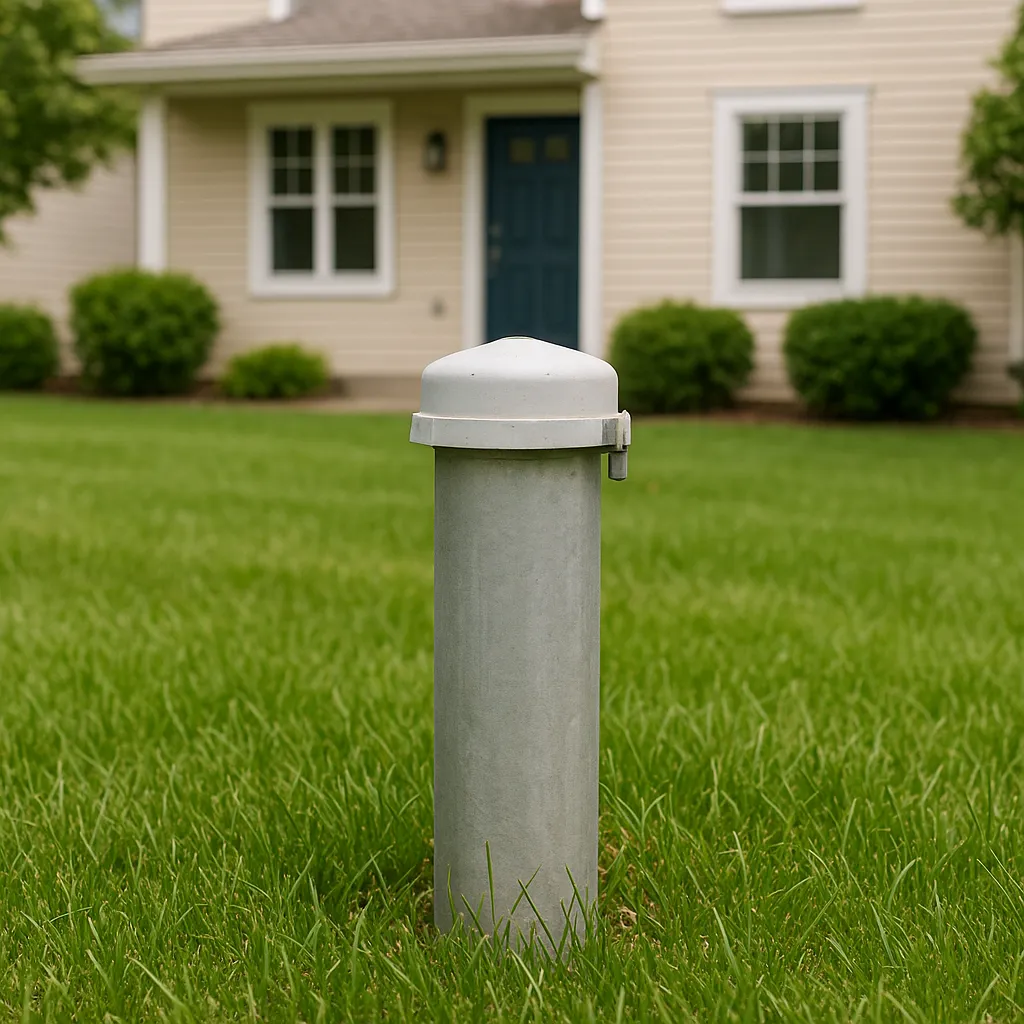
The well itself: The borehole and casing that reach the water-bearing aquifer. The well cap should extend at least 12 inches above ground level and be sealed to prevent surface water and debris entry.
The submersible pump: For drilled wells, an electric pump sits inside the casing below the water level and pushes water up to the surface and into the pressure tank. Submersible pumps typically last 10–25 years depending on use and water quality.
The pressure tank: Located in the mechanical room or basement, the pressure tank maintains water pressure throughout the plumbing system using an air bladder to store pressurized water. Pressure tanks typically last 10–20 years.
The water treatment system: Many Minnesota well water supplies benefit from treatment — water softeners, iron filters, sediment filters, UV disinfection, or reverse osmosis systems — depending on what's in the water. The water softener and treatment system in a home with well water is typically more complex than in a municipal water home.
Drinking Water Well vs. Irrigation-Only Well: The Critical Distinction
This is where a lot of buyers get confused — and it's an important distinction to get right.
Primary Water Supply Well
The well supplying the home's drinking water, cooking water, bathing water, and all interior plumbing. This well is subject to MDH regulations, must be properly constructed and sealed, and should be tested regularly for water quality. A full water quality test is essential when buying any home with a primary supply well.
Irrigation-Only Well (Lawn or Garden Well)
A separate well installed specifically to supply outdoor water — lawn irrigation systems, garden watering, ponds, or water features — without drawing on the primary water supply.
Irrigation wells are common in:
Properties on municipal water where the homeowner wanted to avoid paying municipal water rates for lawn irrigation
Properties where irrigation demand would stress the primary well
Rural properties with large irrigated landscape areas
What buyers need to understand about irrigation-only wells:
An irrigation well is not regulated the same way as a drinking water well — it's not intended to produce potable (drinkable) water
The water quality may not meet drinking water standards — and that's acceptable because it's not used for consumption
The well still requires a properly sealed well cap and must comply with Minnesota's well construction rules
The pump, pressure system, and piping are typically separate from the home's interior plumbing
If a home has BOTH a primary well AND an irrigation well: Make absolutely sure you clearly understand which well serves which purpose. Ask the seller to identify the location, purpose, and condition of each in writing. Confusion here creates significant problems.
If a home is on municipal water AND has an irrigation well: This is a genuine value-add — free outdoor water (beyond the cost of electricity to run the pump) for lawn and landscaping irrigation. But the irrigation well still needs to be inspected and the pump and system evaluated. A well that hasn't been used in several years may have pump or pressure issues. See our Minnesota lawn care guide for how irrigation systems integrate with your full lawn maintenance strategy.
Well Testing: The Non-Negotiable Step in Any Home Purchase
When buying a home with a primary water supply well, a water quality test is not optional. It is one of the most important due diligence steps in any Minnesota home purchase.
Who requires testing:
Most mortgage lenders for FHA, VA, and USDA loans require a water quality test that meets specific standards before closing
Even with conventional financing, a water quality test is strongly recommended as basic due diligence
Minnesota law requires sellers to disclose known well issues — but disclosure doesn't replace independent testing
What to test for in Minnesota:
TestWhy It Matters in MinnesotaColiform bacteriaIndicates contamination from surface water, septic systems, or wildlife. Required by most lenders.NitratesAgricultural runoff risk across much of Minnesota. High nitrates are dangerous for infants.ArsenicNaturally occurring in Minnesota bedrock; elevated levels are common in many areas of the state.ManganeseNaturally occurring; associated with neurological effects at high levels. Common in MN.IronVery common in Minnesota well water; causes staining and affects taste but is treatable.LeadCan come from plumbing components even if the aquifer itself is clean.HardnessExtremely common in Minnesota; drives the need for water softening.pHAffects corrosion of plumbing and treatment system performance.Radon (dissolved)A concern in certain MN geological areas.
Cost: Tests typically cost $50–$300 depending on the scope of the panel. Allow 1–2 weeks for results and factor this into your inspection timeline.
What a Well Inspection Covers
Exterior (at the wellhead):
Condition and height of the well casing — must extend at least 12 inches above grade
Condition of the well cap — should be sealed, intact, and vermin-proof
Grading around the well — ground should slope away from the casing to prevent surface water infiltration
Distance from the well to potential contamination sources (septic system, fuel tanks, livestock areas)
Interior (pressure system):
Age and condition of the pressure tank — look for rust, waterlogging symptoms (rapid pump cycling), or a pressure gauge that doesn't respond correctly
Condition of the pressure switch and electrical connections
Presence and condition of any water treatment equipment
System performance:
Pump flow rate — the well should supply adequate water volume for the household. A low-yield well is a real problem.
Pressure consistency throughout the home
This physical inspection connects directly to the broader plumbing system evaluation every Minnesota buyer should understand — because the well is the starting point of the entire water supply chain.
Well Age, Condition & Lifespan
ComponentTypical LifespanNotesSubmersible pump10–25 yearsVaries with water quality and usePressure tank10–20 yearsBladder failure is common; replacement is relatively affordablePressure switch10–20 yearsInexpensive to replaceWell casing30–50+ yearsSteel casings can corrode; PVC and stainless steel last longerWell seal/cap10–20 yearsInspect regularly; replace as needed
If the pump is over 15 years old, factor replacement into your budget — typically $1,000–$3,000 for a submersible pump including labor. If the pressure tank is waterlogged (you hear the pump cycling rapidly every time you use water), replacement runs $500–$1,200 installed.
Common Well Problems in Minnesota
Iron and Manganese Staining
One of the most common well water issues in Minnesota. Iron and manganese cause orange/brown and black staining on fixtures, laundry, and appliances. Effective treatment exists but adds system complexity and ongoing maintenance. Look for orange staining on toilet bowls, sinks, and around fixtures as a buyer's red flag.
Hard Water
Extremely common across Minnesota. Hard water causes scale buildup in pipes, water heaters, and appliances — reducing efficiency and shortening lifespan. This is covered extensively in our water heater and water softener guide.
Low Yield
Some wells simply don't produce enough water to meet household demand — particularly older dug wells or wells that have experienced water table drops. Signs include the pump running continuously, slow pressure recovery after high-demand periods, or a pressure tank that drains quickly.
Bacterial Contamination
More common in shallow wells but can occur in drilled wells if the seal is compromised. A positive coliform test result requires investigation and treatment before the well water is safe. Treatment options include shock chlorination and UV disinfection systems.
Arsenic
Naturally occurring arsenic is present in certain Minnesota bedrock formations — particularly in east-central and northeastern Minnesota. Arsenic above the EPA maximum contaminant level (10 ppb) requires treatment, typically point-of-entry reverse osmosis. This is one of the most important reasons to test before you close.
The Septic-Well Relationship
Many properties with private wells also have private septic systems. Minnesota regulations require minimum setback distances between wells and septic components — at minimum 50 feet from the well to the septic tank, with greater distances required from the drainfield.
When evaluating a property with both systems, confirm the setback distances are compliant and look for evidence that the septic system may have influenced water quality. A positive bacterial test on a property with a nearby septic system warrants particular investigation. For questions about code compliance and disclosure requirements, always consult a qualified real estate attorney.
This evaluation connects to understanding home safety risks and the broader foundation and site drainage picture of any Minnesota property.
Costs to Know When Buying a Home with a Well
ItemEstimated CostWater quality test (basic panel)$50–$150Water quality test (expanded panel)$150–$300Well inspection by licensed professional$200–$400Pump replacement (submersible)$1,000–$3,000Pressure tank replacement$500–$1,200Iron filter installation$800–$2,500Water softener installation$1,000–$3,000Well abandonment (decommissioning)$500–$2,000New well drilling$8,000–$20,000+ depending on depth
🏡 Real Estate Planner Perspective: We've helped buyers navigate properties where the water test came back with elevated arsenic, or where the pump was clearly on its last legs. Neither situation is automatically a dealbreaker — but both require a clear understanding of what treatment or replacement costs look like, and how they factor into the purchase price. Our job is to help you buy with your eyes open. Book a consultation with Circle Partners →
What Buyers Should Ask About Any Well
When was the well drilled? What is the well depth?
What is the current pump age? When was it last serviced?
When was the water last tested? What did the tests show?
Is there a water treatment system? What does it treat and when was it last serviced?
Has the well ever had a pump failure, low yield issue, or water quality problem?
Is there more than one well on the property? What is each used for?
If there's an irrigation well: Is the irrigation system currently operational? When was the pump last serviced?
Frequently Asked Questions: Private Wells in Minnesota
What should I test for when buying a home with a well in Minnesota?
At minimum, test for coliform bacteria and E. coli (which most lenders require), nitrates (critical in agricultural areas), arsenic (naturally occurring in many Minnesota geological areas), and a basic chemistry panel including iron, hardness, pH, and manganese. For older wells or properties near agricultural land, an expanded panel is worth the additional cost. Water testing is inexpensive relative to the peace of mind it provides — and relative to the cost of treating a contamination problem after you've moved in.
How long does a private well last in Minnesota?
The well borehole and casing can last 30–50 years or more if properly constructed and maintained. The mechanical components have shorter lifespans: submersible pumps typically last 10–25 years, pressure tanks 10–20 years. Always ask for the age of the pump and pressure tank when buying — these are the most likely items to need replacement in the near term. A well inspection by a licensed professional assesses the condition of both the system and the well itself.
What is an irrigation-only well and how does it affect a home purchase?
An irrigation-only well is a separate well installed specifically to supply outdoor water for lawn irrigation or landscaping — not for drinking or interior use. If a home is on municipal water with a separate irrigation well, it's typically a value-add: you irrigate from the well without paying municipal water rates. If a home has both a primary well and an irrigation well, make sure you clearly understand which well serves which purpose. Either way, the irrigation well's pump and mechanical system should be inspected and confirmed operational as part of your due diligence.
Is well water safe to drink in Minnesota?
Minnesota's groundwater is generally high quality, but quality varies significantly by location, well depth, and aquifer. Many supplies have elevated iron, hardness, or manganese that require treatment but aren't health hazards. Others — particularly in certain geological areas — can have naturally elevated arsenic that requires treatment to meet safe drinking water standards. The only way to know what's in your water is to test it. Testing before you close gives you the information you need to make informed decisions about treatment systems and purchase price.
What does it cost to replace a well pump in Minnesota?
Replacing a submersible pump typically costs $1,000–$3,000 in Minnesota, depending on well depth and pump capacity. Pressure tank replacement is less expensive — typically $500–$1,200 installed. If a home's pump is more than 15 years old, factor potential replacement into your budget regardless of current performance. A pump that fails in the middle of a Minnesota winter is both an inconvenience and an emergency — and urgent replacement costs more than a planned one.
What should I know about buying a home with both a well and a septic system in Minnesota?
When a property has both a private well and a private septic system, the relationship between the two systems matters. Minnesota requires minimum setback distances — at least 50 feet from the well to the septic tank, with greater distances from the drainfield. Confirm compliance and test the well water for bacterial contamination, which can indicate septic influence on the water supply. Both systems should be independently inspected as part of your due diligence. For questions about code compliance, disclosure requirements, or how these systems affect the transaction, consult a qualified real estate attorney.
What happens if the water test fails before closing in Minnesota?
A failed water test doesn't automatically kill the deal, but it requires resolution. Options typically include: negotiating for the seller to install treatment equipment before closing; negotiating a price reduction to cover the buyer's cost of treatment; shock chlorination and re-testing if bacterial contamination is the issue; or walking away if the contamination is severe and treatment costs are prohibitive. The path forward depends on the specific contaminant, treatment options, and what both parties agree to. For questions about your options and how to protect your interests, consult a qualified real estate attorney.
Know What You're Drinking Before You Close
A private well is one of the most significant — and most frequently under-evaluated — features of a Minnesota property. Whether it's your primary water source or a dedicated irrigation system, understanding what you have and what condition it's in protects both your family and your investment.
At Circle Partners — KW Real Estate Planners, we help Minnesota buyers evaluate everything — including the systems that most people never think about until something goes wrong. A well inspection and water test are a small investment relative to what they can reveal. We make sure those steps happen before you close.
📞 Call us: 763-340-2002
📧 Email us: [email protected]
📍 Visit us: 16201 90th St NE, Suite #100, Otsego, MN 55330
📅 Book Your Free Real Estate Planning Consultation
Circle Partners is a licensed real estate team with KW Real Estate Planners, serving buyers and investors across Minnesota. This post is for informational purposes only and does not constitute legal, tax, or financial advice. For questions about well compliance, disclosure requirements, or how well and septic systems affect your transaction, always consult a qualified real estate attorney, licensed well driller, or certified water testing professional.