Selling Your Home in Winter in Minnesota: What You Need to Know
Selling Your Home in Winter in Minnesota: What You Need to Know
The conventional wisdom says spring is the best time to sell a home in Minnesota — and it is true that spring brings the highest buyer volume. But conventional wisdom misses something important: the sellers who list in winter face the least competition from other listings, attract the most motivated buyers, and often achieve stronger pricing outcomes than the same home would have gotten in a crowded spring market.
Winter is not the wrong time to sell. It is a different time to sell — one that rewards preparation and strategic thinking.
At Circle Partners, we help Minnesota sellers list in every season. Here is what makes winter different and how to navigate it successfully.
The Winter Market Reality in Minnesota
January and February represent the lowest point of buyer traffic in Minnesota — and also the lowest point of competing inventory. In most Minnesota markets, active listing counts in January are 30-50% lower than in May. Fewer homes for sale means less competition for the buyers who are actively searching.
Who is buying in winter in Minnesota? Motivated buyers — people with real reasons to move now rather than waiting. Job relocations, life transitions, lease expirations, and buyers who lost out in competitive spring markets. These buyers are not window shopping. They make decisions.
The result: winter listings in Minnesota frequently sell faster than sellers expect and at stronger prices than the low-traffic season would suggest — because the serious buyers who are looking have fewer options to consider.
How to Make Your Home Show Well in Winter
Keep It Warm and Bright
The most important thing a Minnesota seller can do in winter: ensure the home is warm, well-lit, and clearly comfortable when buyers arrive. Cold, dim homes feel unwelcoming regardless of their other qualities.
- Set the thermostat to at least 68-70 degrees before every showing — especially if you have moved out
- Turn on all lights, including lamps, before buyers arrive
- Open all blinds and window treatments to maximize whatever natural light is available
- Add warm-toned accessories: throws, pillows, candles (unlit is fine)
- If you have a fireplace, a flame during showings creates an immediate emotional response. See our fireplace guide for safe usage guidelines.
Maintain Impeccable Exterior Access
Winter curb appeal is primarily about safety and maintenance signaling:
- Shovel and salt the driveway and all walkways before every showing — no exceptions
- Clear the path from the sidewalk or street to the front door completely
- Ensure exterior lighting is fully functional — many winter showings happen after dark
- Keep gutters clear of ice buildup where visible from the street
- A well-maintained exterior in winter signals that the home is cared for year-round
Staging for the Season
Winter staging should emphasize warmth and coziness rather than fighting the season:
- Neutral warm tones in textiles — throws, rugs, and pillows in cream, taupe, and soft gray
- Simple winter-appropriate but non-holiday-specific decor after the holidays have passed
- Fresh greenery (real or high-quality faux) adds life without feeling seasonal
- Remove holiday decorations promptly after the holiday season — they narrow the perceived buyer demographic
Listing Photography Strategy
Winter exterior photography requires strategic timing:
- Photograph on a bright day with clean white snow rather than gray slush or dirty ice
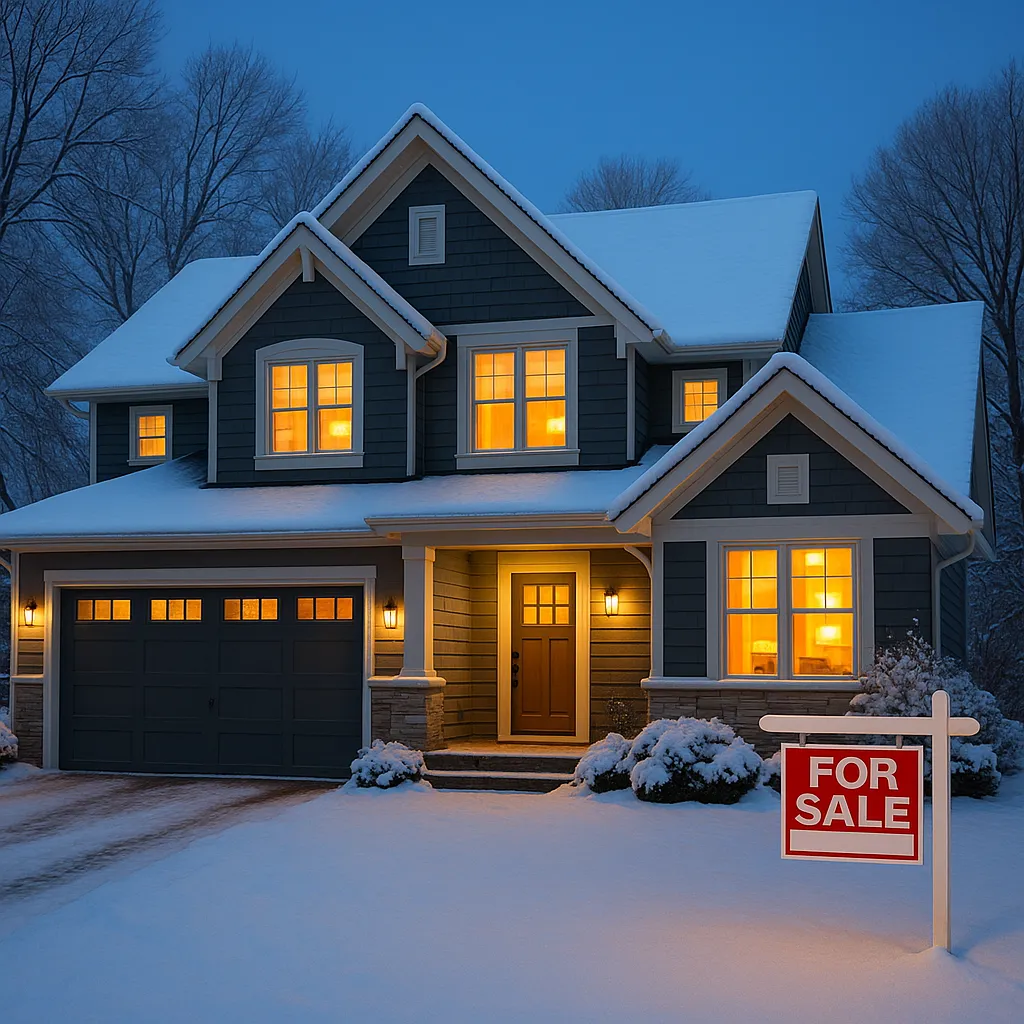
- Twilight photography — the home lit from within at dusk — is particularly effective in winter, showing warmth and welcome against a blue winter sky
- If you have summer photos of the exterior that show the home in its best light, consider including one or two to show buyers what the property looks like in season
See our listing photography guide for the full strategy.
Pricing in the Winter Market
Winter pricing in Minnesota requires honest calibration. With lower buyer volume, the pool of potential buyers for your home is smaller — which means:
- Accurate pricing is even more critical. An overpriced listing in spring may still generate showings from high buyer volume. An overpriced listing in January may generate almost none.
- The buyers who do visit are motivated. They are not there to browse — they want to make a decision. This is an advantage if you are priced correctly.
- Days on market accumulate more slowly in the winter perception — buyers understand that fewer listings means fewer options and are less likely to discount a home solely for being on the market 30 days in December than 30 days in April.
See our pricing strategy guide for the full framework and our guide to timing your sale for the broader seasonal decision context.
Practical Winter Listing Logistics
- Snow removal plan: If you have relocated or travel frequently, have a snow removal service on call for showings — not just for aesthetics but for buyer safety and liability.
- Vacant home winterization: If the home is vacant, maintain heat at a minimum of 55-60 degrees at all times. Frozen pipes in a vacant listing are a catastrophic outcome. See our seasonal maintenance calendar for winter home management guidance.
- Flexible showing access: More than in any other season, winter buyers may request showings on short notice due to unpredictable schedules and weather. The more accessible you make your home for showings, the more opportunities you create.
🏡 Real Estate Planner Perspective: We have helped sellers close strong transactions in every month of the year in Minnesota. The sellers who do best in winter are the ones who lean into the advantages — less competition, more motivated buyers — rather than apologizing for the season. A well-presented home at the right price sells in January too. Book a winter listing consultation with Circle Partners
Frequently Asked Questions: Selling in Winter in Minnesota
Is winter actually a good time to sell a home in Minnesota?
For the right seller and the right home, yes. Winter listings face significantly less competition from other sellers — inventory in most Minnesota markets drops 30-50% from peak spring levels. The buyers who are actively searching in winter tend to be highly motivated with real reasons to move. The combination of low competition and motivated buyers frequently produces stronger outcomes than sellers expect. The key is preparation: a warm, well-lit, impeccably maintained home at the right price sells in any season.
How should I price my home differently for a winter listing?
Accurate pricing is even more important in winter than in spring, because the buyer pool is smaller. An overpriced listing in a high-demand spring market may still generate showings simply from buyer volume. An overpriced listing in January may generate none. Price accurately at or slightly below market based on current comparable data, and consult your agent about how current inventory levels affect your positioning.
What do buyers think when they see a home listed in winter?
Informed buyers do not assume something is wrong with a home because it is listed in winter. The more common buyer perception is opportunity — less competition, possibly more negotiating room, and a seller who may be motivated. Buyers who are themselves motivated to purchase in winter actively appreciate having options to consider. Focus on presenting the home at its best rather than worrying about seasonal timing perception.
How do I handle showings in bad winter weather?
Establish a showing maintenance routine regardless of weather: driveway and walkways cleared and salted before every showing, exterior lighting fully functional for evening visits, and the home kept at a comfortable temperature at all times. If weather is severe enough to make driving dangerous, it is reasonable to postpone individual showings — communicate proactively and reschedule promptly. Do not let a single snowstorm create a showing gap of more than a day or two.
Should I wait until spring to list my Minnesota home?
If your home will be significantly better positioned in spring — because of needed exterior repairs that cannot be done in winter, or because you need more preparation time — waiting may be the right call. But if your home is ready now and your life circumstances support a sale, waiting for spring means carrying the home for several more months (with associated costs) and entering a more competitive listing environment. Discuss the specific trade-offs with your agent using current inventory and market data for your neighborhood and price range.
What is the biggest mistake Minnesota sellers make when listing in winter?
Not maintaining the home for showings consistently. A winter listing requires the same showing-ready discipline as a spring listing — but with additional logistics: driveway cleared, walkways salted, home warm and well-lit before every showing, and all seasonal maintenance visible and complete. Sellers who treat winter as a reason to reduce their showing standards lose the advantage the season otherwise provides.
Can I get good listing photos in Minnesota in winter?
Yes — with the right approach. Photograph on a bright day with clean fresh snow rather than gray slush or muddy conditions. Twilight photography with the home glowing from within against a blue winter sky is often more compelling than a flat midday exterior shot in any season. See our listing photography guide for the complete strategy.
Winter Is Not an Obstacle — It Is a Strategy
The sellers who approach winter listings strategically — with great preparation, accurate pricing, and a warm inviting presentation — discover that the season is often more advantageous than they expected. Less competition. More motivated buyers. Faster decisions.
At Circle Partners — KW Real Estate Planners, we help Minnesota sellers navigate every season with the same level of preparation and strategic thinking.
📞 Call us: 763-340-2002 | 📧 Email us: [email protected] | 📍 16201 90th St NE, Suite #100, Otsego, MN 55330
🗓️ Book Your Free Real Estate Planning Consultation
This post is for informational purposes only and does not constitute legal, tax, or financial advice. Always consult a qualified attorney, CPA, or licensed professional.