
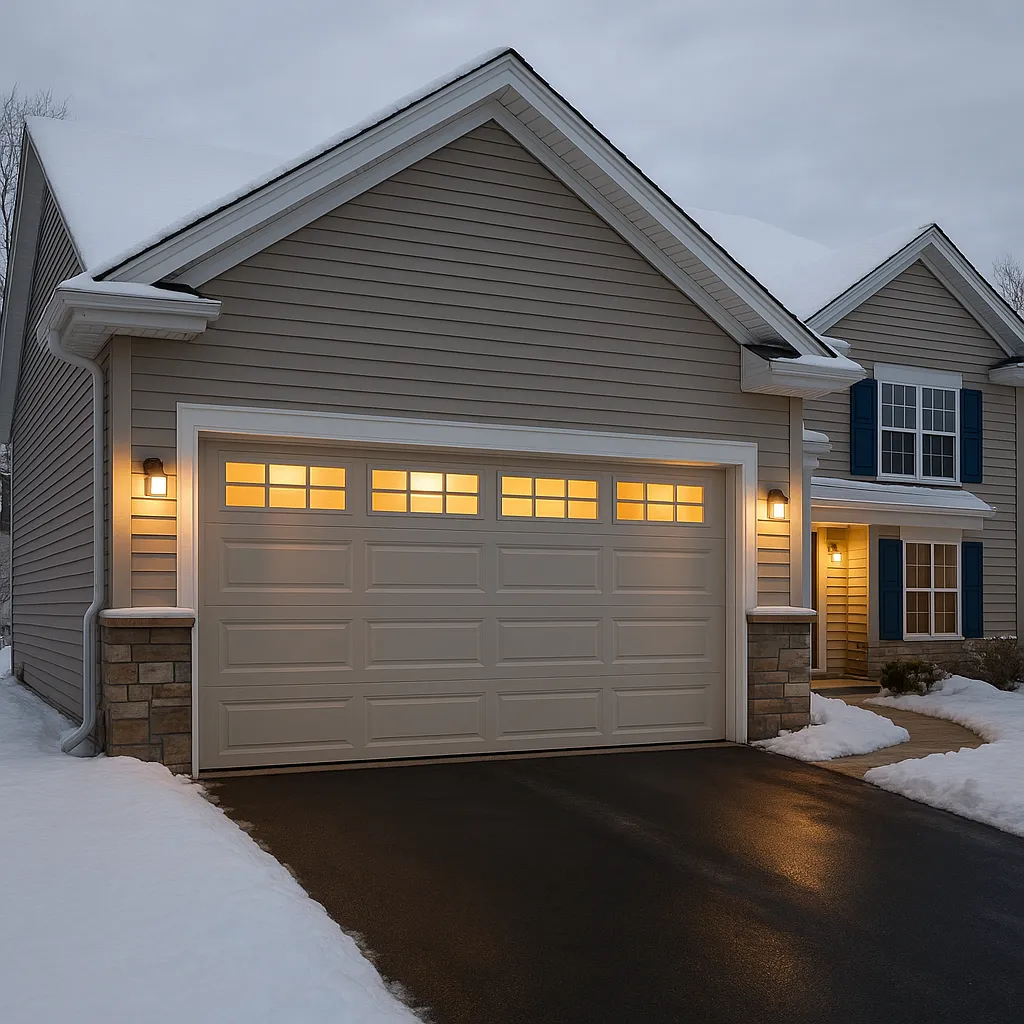
More Than a Parking Spot: The Minnesota Homeowner's Complete Guide to Garages & Garage Doors
In most parts of the country, a garage is a nice bonus. In Minnesota, it's a survival feature.
When you're scraping ice off your windshield at 6 a.m. in January, you will never again take a heated garage for granted. When spring flooding tests your foundation and summer storms pound your siding, the garage is right there on the front line. And when you're buying or selling a home, the garage — its size, its condition, its insulation, and the state of the door — tells you a lot about how the rest of the property has been maintained.
At Circle Partners, we work as Real Estate Planners. That means we help Minnesota buyers look at homes the way an investor does — evaluating every system, every structure, and every long-term cost. And the garage comes up in nearly every conversation we have about property condition. It's one of the most used and most under-maintained spaces in any Minnesota home.
Here's what you need to know.
Why the Garage Matters More in Minnesota Than Almost Anywhere Else
Minnesota's climate puts exceptional demands on the garage:
Sub-zero temperatures mean garage walls, doors, and floors are exposed to extreme thermal stress for months at a time
Freeze-thaw cycles work on concrete floors, door tracks, weatherstripping, and frame connections year after year
Heavy snow loads stress the roof structure of detached garages and add weight to garage door panels
Road salt and sand tracked in from vehicles accelerates concrete floor deterioration and corrodes metal door hardware
Humidity swings between winter (very dry) and summer (hot and humid) affect wood door panels, weatherstripping seals, and torsion spring tension
When you buy a home in Minnesota and the garage hasn't been properly maintained, you're inheriting all of that accumulated wear — usually all at once.
Types of Garages You'll Find in Minnesota Homes
Not all garages are created equal, and understanding what you're buying matters.
Attached Garage
The most common configuration in Minnesota. Connected directly to the home through an interior door — which creates both convenience and specific code requirements. The wall and door connecting the garage to the living space must meet fire separation standards. When buying, check that the interior door is solid-core and self-closing (code requirement), and that the connecting wall has proper fire-rated drywall on the garage side.
Detached Garage
Separate structure on the property. More common on older lots and rural properties. A detached garage gives you more flexibility, but it requires its own electrical service, its own heating if you want it conditioned, and its own roof maintenance. When evaluating a detached garage, treat it like a second structure — check the roof, siding, foundation, and electrical independently.
Tuck-Under Garage
Built into the lower level of the home, typically on sloped lots — common in areas with significant grade changes across the Twin Cities metro and western suburbs like Otsego. Tuck-under garages are space-efficient but come with specific concerns: the living space directly above must be properly insulated from the garage below, and drainage around the entrance apron is critical. Water pooling at a tuck-under garage entrance is a foundation risk. More on basements and foundation types here.
Heated vs. Unheated Garage
This is a major quality-of-life and property-value factor in Minnesota. A heated garage protects vehicles from extreme cold starts and battery drain, allows the space to function as a workshop year-round, prevents freeze-thaw damage on the concrete floor, and adds meaningful value for buyers — especially in the northern metro.
An unheated garage is perfectly functional and more common, but the conditions inside will follow the outside temperature. Everything stored inside — from paint to fluids to tools — needs to be rated for freezing temperatures.
Garage Door Materials: What You're Actually Buying
The garage door is the largest moving part of any home — and in Minnesota, it takes more abuse than almost any other exterior component.
Door MaterialProsConsBest ForSteel (single-layer)Affordable, low maintenancePoor insulation, dentsUnheated garages, budget replacementsSteel (insulated double/triple-layer)Strong, energy efficient, low maintenanceHigher cost than single-layerAttached and heated garagesWoodBeautiful, classic lookRequires regular painting/staining, can warp and swellBuyers who prioritize aesthetics and will maintain itWood compositeWood look with better stabilityMore expensive than steelCurb appeal priority with lower maintenanceAluminumLightweight, rust-resistantDents easily, poor insulationDetached/unheated garagesFiberglassDoesn't rust or rot, can mimic woodBrittle in extreme cold, fades over timeMilder climates — not ideal for Minnesota winters
The Minnesota verdict: For attached garages — especially heated ones — an insulated steel door (double or triple-layer) is the right choice for 90% of homeowners. It handles the temperature extremes, requires minimal maintenance, holds its shape through freeze-thaw cycles, and provides meaningful insulation value.
The Insulation Question: Why It Matters So Much in Minnesota
A garage door's insulation is measured by its R-value — the higher the number, the better the insulation.
R-ValueDoor TypeUse CaseR-6 to R-9Single-layer steel with basic insulationDetached or unheated garagesR-12 to R-16Double-layer insulated steelAttached garages, standard useR-18 and aboveTriple-layer insulated steelHeated garages, attached to conditioned space
A poorly insulated garage door on an attached garage is a direct energy drain. The garage is typically adjacent to the living area — often sharing a wall with a bedroom, kitchen, or family room. Cold air infiltrating through a low-R garage door raises your heating costs and stresses your HVAC system. It's one of the simplest upgrades for energy efficiency in your Minnesota home that most homeowners overlook.
Garage Door Openers: What to Look For
Drive types:
Chain drive — most common, reliable, affordable, louder. Fine for detached garages where noise isn't a concern.
Belt drive — quieter operation, slightly more expensive. Ideal for attached garages with living space above or adjacent.
Screw drive — fewer moving parts, requires less maintenance, but can be noisy in temperature extremes. Less common in Minnesota for that reason.
Direct drive — very quiet, only one moving part. A solid choice for attached garages.
Features worth having in a Minnesota home:
Battery backup — when winter storms knock out power, you still need to get your car in and out. A battery-backup opener is worth every penny.
Wi-Fi/smart connectivity — allows you to monitor and control the garage door remotely.
Auto-reverse safety sensors — required by code on all new openers; verify they're functioning during any home purchase.
Keypad entry — a weatherproof exterior keypad eliminates the risk of a lost garage door remote being used to access your home.
The Garage Door Maintenance Checklist
The garage door is a mechanical system that requires regular maintenance — and most homeowners ignore it until something breaks.
Every 6 months:
Test the auto-reverse safety feature — place a 2x4 flat on the ground in the door's path and activate the close function. The door should reverse when it contacts the board. If it doesn't, the force settings need adjustment — this is a safety issue.
Lubricate moving parts — use a silicone-based or lithium grease spray on the rollers, hinges, torsion spring, and tracks. Do NOT use WD-40, which attracts dirt and degrades rubber components over time.
Inspect weatherstripping — the seal along the bottom and sides of the door degrades over time, especially with Minnesota's freeze-thaw cycles. Cracked or missing weatherstripping is one of the most common mice and pest entry points in any home.
Check for balance — disconnect the opener and manually lift the door halfway. It should stay in place. If it falls or rises on its own, the springs are out of balance and need professional adjustment.
Inspect cables and springs — look for fraying on the lift cables and signs of rust or wear on the springs. Do NOT attempt to adjust or replace springs yourself — they are under extreme tension and can cause serious injury.
Every spring:
Clean tracks — remove dirt, debris, and built-up salt residue from winter
Inspect panels for dents, cracks, and rust spots — address before they worsen
Check the door frame for wood rot, gaps, and pest damage
Flush the concrete floor to remove salt residue — salt accelerates concrete deterioration
Include the garage in your winter storm inspection checklist — check the roof of a detached garage for ice dam formation, inspect the door tracks for ice buildup, and verify the weatherstripping hasn't been damaged by snowplowing or ice.
Signs Your Garage Door Needs Professional Attention
Call a garage door professional when you see:
Loud grinding, scraping, or popping sounds during operation — often indicate worn rollers, loose hardware, or a failing spring
Slow or uneven movement — the door hesitates, jerks, or doesn't move smoothly along the tracks
Visible cable fraying or a broken spring — do not attempt DIY repairs on these components
The door won't stay closed — often a sensor alignment issue or a track problem
Visible panel damage — significant dents or cracked sections reduce structural integrity and insulation value
Opener runs but door doesn't move — likely a stripped gear or broken spring
Important safety note: Torsion springs — the large horizontal springs above the door — are under extreme tension and can cause severe injury if they fail or are improperly handled. Spring replacement is always a job for a licensed garage door professional.
Garage Floors: The Most Neglected Surface in the Home
Minnesota garage floors take a beating. Salt, sand, road chemicals, oil drips, and freeze-thaw cycling all work on concrete over time.
Prevention:
Seal the concrete every 2–3 years with a penetrating concrete sealer — the single most effective thing you can do to extend floor life
Use floor mats or drip trays under vehicles in winter to contain salt runoff
Rinse the floor thoroughly in spring to remove salt accumulation
Repair:
Small cracks (hairline to ¼ inch) can be filled with concrete crack filler as a DIY repair
Larger cracks, significant spalling, or heaved sections may indicate a drainage or foundation issue and should be evaluated by a professional
Upgrade options:
Epoxy coating — dramatically increases durability, makes cleaning easier, and looks great. Professional application is worth the investment for a heated garage.
Interlocking floor tiles — a DIY-friendly alternative to epoxy; removable and replaceable if sections become damaged
What Home Buyers Should Look For in a Garage
When you're walking a property with us, here's exactly what we look at in the garage:
Structure:
Roof condition on detached garages — sagging, missing shingles, signs of moisture intrusion
Foundation cracks along the base of detached garage walls
Signs of water intrusion — staining on walls or floor, efflorescence on concrete
Door and opener:
Age of the opener — most last 10–15 years; older units may lack modern safety features
Condition of springs, cables, and tracks
Whether the door is insulated (especially important for attached garages)
Functioning auto-reverse safety sensors
Working keypad and remotes
Electrical:
Adequate outlets (GFCI-protected)
Proper lighting
Panel capacity if the garage is heated or if you plan to add EV charging
Safety:
Interior door between garage and home must be solid-core and self-closing
Carbon monoxide detector if the garage is attached and there's any gas appliance inside
Proper ventilation if there's a gas water heater or furnace in the garage
These tie directly into the broader home safety tips for Minnesota homeowners every buyer should understand before closing.
Outside the garage:
Concrete apron condition — cracking, heaving, or drainage issues
Grade around the garage foundation — water should drain away, not toward the structure
Driveway condition leading to the garage — cracked or heaved asphalt or concrete affects access and signals deferred maintenance
🏡 Real Estate Planner Perspective: A garage tells us a lot about a homeowner. Is the floor sealed and clean, or is it heavily stained and cracked from years of salt abuse? Is the door insulated and well-maintained, or is the weatherstripping hanging off and the springs rusted? These details don't just affect the garage — they signal how the entire home has been maintained. Our job is to help you read those signals before you sign anything. Book a consultation with Circle Partners →
When to Replace a Garage Door
A well-maintained garage door lasts 15–30 years, depending on material and use. Signs it's time to replace rather than repair:
The door has multiple damaged panels — replacing individual panels is often nearly as expensive as a new door
The door is uninsulated on an attached garage — a new insulated door pays back in energy savings and comfort
The opener is 15+ years old and lacks modern safety features — replacing both at the same time makes sense
Significant rust on steel doors that has compromised the panel structure
Wood doors with extensive rot or warping that has compromised the seal
Expect to invest $1,200–$4,000 for a new standard double-car garage door, professionally installed, depending on material, insulation level, and features. A new opener adds $400–$900 installed. New garage doors consistently rank among the top exterior upgrades for resale value.
Frequently Asked Questions: Minnesota Garages & Garage Doors
What type of garage door is best for Minnesota winters?
An insulated steel garage door — double-layer or triple-layer — is the best choice for most Minnesota homes, particularly attached or heated garages. Look for an R-value of R-12 or higher for an attached garage. Steel handles freeze-thaw cycles better than wood, requires minimal maintenance, and provides meaningful insulation that reduces energy costs. Triple-layer doors (R-18+) are worth the investment for heated garages or when the garage shares a wall with a primary living area.
Should I heat my garage in Minnesota?
Heating a garage in Minnesota makes sense if you use it as a workshop, have an electric vehicle, want to protect vehicles from extreme cold starts, or if the garage shares walls with conditioned living space. Common heating options include gas-fired unit heaters, electric infrared heaters, and in-floor radiant heat. For occasional use, a portable electric heater may be sufficient. For a dedicated heated garage, a gas unit heater is typically the most cost-effective choice.
How do I know if my garage door springs need to be replaced?
Signs that your garage door springs are failing include: the door feels very heavy when lifted manually, the door moves unevenly or jerks during operation, you hear loud popping or banging sounds when opening or closing, or you can see a visible gap in the torsion spring (a broken spring will have a gap in the coil). If your springs are more than 7–10 years old, proactive replacement is worth considering. Never attempt to replace torsion springs yourself — this is a job for a licensed garage door professional.
How do I prevent mice from entering my garage in Minnesota?
Mice can squeeze through gaps as small as ¼ inch, and the garage is one of the most common entry points in Minnesota homes. The most critical area is the bottom seal (weatherstripping) of the garage door — inspect it annually and replace it when cracked, torn, or not creating a complete seal against the floor. Also check gaps around the door frame, where utility lines enter the garage, and around any vents. Replacing damaged weatherstripping and sealing gaps with steel wool combined with caulk are the most effective prevention measures.
What maintenance does a garage door opener need?
Garage door openers require minimal maintenance but benefit from a few simple practices: lubricate the drive mechanism annually, test the auto-reverse safety sensors every 6 months, keep the photo-eye sensors clean and properly aligned, and check the battery in the backup system annually. Most openers last 10–15 years with basic care. If your opener is more than 15 years old and doesn't have battery backup or modern safety features, replacement is worth considering before it fails on a cold January morning.
Is a heated garage worth it when buying a home in Minnesota?
From a real estate perspective, a heated garage is a meaningful value-add in Minnesota — buyers consistently rank it as a desirable feature, particularly in the northern metro and outstate markets. A heated garage expands the functional use of the space year-round, protects vehicles and stored items, and reduces the extreme thermal cycling that accelerates concrete floor and door hardware wear. Whether it's worth the cost to add heating to an existing unheated garage depends on how you'll use the space and the current mechanical setup — this is a conversation worth having with us before you buy or invest in upgrades.
What should I look for in a garage when buying a home in Minnesota?
Focus on five key areas: (1) door condition and insulation level — especially for attached garages; (2) opener age and safety features; (3) floor condition — sealing, cracking, and salt damage are all signs of maintenance level; (4) electrical capacity — adequate outlets, lighting, and whether EV charging is possible; and (5) structural integrity — roof condition on detached garages, signs of water intrusion, and proper grading around the foundation. The garage often signals how the rest of the home has been maintained. We evaluate all of this with buyers as part of our Real Estate Planning process.
Your Garage Works Hard — Make Sure It's Ready
In Minnesota, the garage is the first thing you interact with every morning in January and the last thing you check before the first snow hits in October. It protects your vehicles, your tools, your stored items, and in the case of attached garages, it directly affects the energy efficiency and safety of the home it's connected to.
At Circle Partners — KW Real Estate Planners, we help Minnesota buyers look at every part of a property — not just the kitchen and the master bedroom, but the garage, the mechanical room, the foundation, and the roof. Because knowing what you're buying means understanding the whole home, not just the highlights.
📞 Call us: 763-340-2002
📧 Email us: [email protected]
📍 Visit us: 16201 90th St NE, Suite #100, Otsego, MN 55330
📅 Book Your Free Real Estate Planning Consultation
Circle Partners is a licensed real estate team with KW Real Estate Planners, serving buyers and investors across Minnesota. This post is for informational purposes only and does not constitute legal, tax, or financial advice. For guidance specific to your situation, always consult a qualified attorney, CPA, or other qualified expert.