
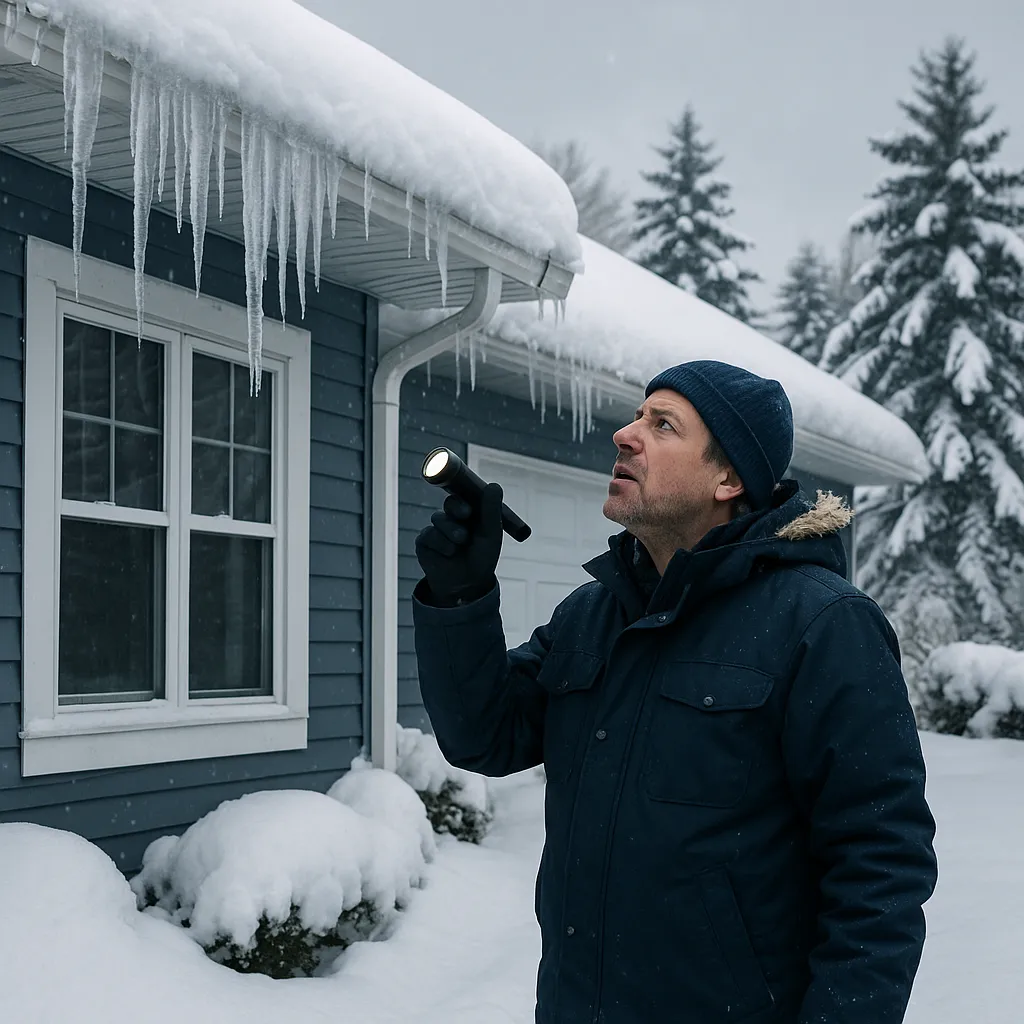
After the Storm: The Complete Minnesota Homeowner's Guide to Winter Damage Inspection
Minnesota winters don't just test your patience — they test your home. Every blizzard, ice storm, and hard freeze is a stress test on every system in your house. And the homeowners who come out ahead every spring aren't the ones who got lucky — they're the ones who knew exactly what to look for after the storm passed.
At Circle Partners, we work with Minnesota home buyers and homeowners every day. One of the most consistent patterns we see? People underestimate winter storm damage until it becomes an expensive emergency. A small ice dam becomes a destroyed ceiling. An unnoticed roof shingle becomes a waterlogged attic. A missed crack in the foundation becomes a flooded basement.
The good news: most winter storm damage is catchable — if you know what to look for and when to look for it.
This is your complete post-storm inspection guide. Walk through it after every significant winter event, and you'll stay ahead of the elements the way smart Minnesota homeowners do.
Why Post-Storm Inspections Are Non-Negotiable in Minnesota
Most states deal with one or two major weather threats. Minnesota homeowners deal with all of them — sometimes in the same week.
Here's what a single Minnesota winter storm can put your home through:
- Snow loads of 40-50+ lbs per square foot on flat or low-pitched roofs
- Temperature swings of 40-50°F within 24 hours during a thaw cycle
- Wind gusts of 30-60+ mph that rip shingles, down power lines, and topple trees
- Ice accumulation that blocks gutters, forms ice dams, and adds hundreds of pounds of dead weight to rooflines
- Ground freezing and thawing that shifts soil and stresses foundations
Each of these forces creates specific, predictable damage patterns — and the sooner you identify them, the cheaper and simpler they are to fix.
Real Estate Planner Perspective: If you're buying a home in Minnesota and the seller hasn't maintained a post-storm inspection routine, you could be inheriting years of deferred storm damage. Our team knows exactly what to look for — and how to negotiate when we find it. Book a consultation with Circle Partners
1. The Roof — Your First and Most Critical Inspection Point
After any significant storm, the roof is always the first place to assess. It took the full brunt of the wind, snow, and ice — and any damage here can cascade into every other system in the home.
What to Look for from the Ground (Never Get on a Snow or Ice-Covered Roof)
- Missing, lifted, or visibly cracked shingles
- Shingles that appear buckled, curling, or displaced
- Damage around the chimney, skylights, and vent boots
- Sagging or uneven roof lines — a potential sign of structural stress from snow load
- Excessive icicle formation at the eaves (a warning sign for ice dams)
- Dark streaks or bare patches where granules have washed away
If you see visible shingle damage, sagging, or have any reason to believe water has entered the attic — get a licensed roofing contractor out immediately. Do not wait until spring. Water damage compounds quickly in cold, damp conditions.
Understanding how the roof affects your Minnesota home purchase — and your ongoing ownership costs — starts with knowing what storm damage looks like before it becomes catastrophic.
2. Ice Dams — Minnesota's Most Misunderstood Winter Hazard
Ice dams deserve their own section because they're the most common and most destructive winter storm consequence in Minnesota — and many homeowners don't recognize the warning signs until significant damage has already occurred.
How Ice Dams Form
- Heat escapes from your living space through the attic
- That warmth heats the roof deck, melting the underside of the snow
- Meltwater runs down the roof toward the cold eave edge
- At the eave, that water refreezes into a growing dam
- Water backs up behind the dam — under your shingles — and into your home
Warning Signs of an Active Ice Dam
- Large icicles hanging from gutters and eaves, growing back from the edge
- A visible ridge of ice at the roofline or in gutters
- Water stains on interior ceilings — especially near exterior walls and at the top of windows
- Frost or moisture on the underside of the roof deck (visible from inside the attic)
- Peeling paint or bubbling drywall on upper-floor exterior walls
Do not attempt to chip away ice dams yourself — this almost always causes more shingle damage than the dam itself. A licensed contractor with steam equipment can remove ice dams safely. In the meantime, a roof rake used from the ground can help clear snow before it contributes further to the dam.
The long-term solution is always addressed in the attic — proper insulation and ventilation prevent the heat escape that causes ice dams. Our detailed guide on attic insulation in Minnesota covers exactly what to look for and what levels of insulation are appropriate for our climate.
3. Gutters and Drainage — The Overlooked Storm Casualty
Gutters take a brutal beating during Minnesota winters. Heavy snow and ice accumulation can pull gutters away from the fascia board, crack seams, and bend downspout connections — damage that often goes unnoticed until the spring thaw turns it into a drainage problem.
Post-Storm Gutter Checklist
- Walk the perimeter and look for gutters that are visibly sagging, pulling away from the roofline, or disconnected at seams
- Check downspout connections at both the top (roof connection) and the bottom (ground discharge)
- Look for gutters still packed with ice — add this to your thaw-season checklist to clear before the next significant rain or melt
- Examine the fascia board behind the gutters for rot, water staining, or separation
The relationship between gutters and ice dams is direct — clogged or damaged gutters contribute to ice dam formation at the eave line. Our full guide on gutters for your Minnesota home explains why this system matters far more than most homeowners realize.
4. Plumbing and Frozen Pipes — Act Fast When Temperatures Drop
Frozen pipes are among the most expensive and stressful winter emergencies a Minnesota homeowner can face. When water freezes inside a pipe, it expands — and that expansion can crack or burst pipes in ways that cause thousands of dollars of water damage when they thaw.
Pipes Most at Risk in Minnesota Homes
- Pipes running through exterior walls (especially in older construction with insufficient insulation)
- Pipes in unheated spaces: garages, crawl spaces, and unfinished basements
- Outdoor hose bibs (older ones that are not frost-free)
- Pipes near drafty areas: under sinks on exterior walls, in utility rooms with poor insulation
After a Hard Freeze — What to Check
- Turn on faucets throughout the home and verify water pressure is normal; low pressure or no flow in one area may indicate a frozen section
- Check under sinks on exterior walls for signs of frost or sweating pipes
- Inspect the area around your water meter and main shutoff valve
- If you have a crawl space, check for frozen or burst supply lines
Prevention tip: During sustained periods below 0°F, let cold-water faucets on exterior walls drip slowly overnight. Keep cabinet doors under sinks open to allow warm air circulation. If you suspect a frozen pipe — do not try to thaw it with an open flame. Use a hair dryer, heat tape, or call a licensed plumber.
5. Basement and Foundation — Where Winter's Worst Work Gets Hidden
The basement and foundation are where a lot of winter storm damage eventually shows up — often weeks after the storm itself, as snow and ice begin to melt.
During the Storm
- Check your sump pump is operational — this is critical. If power was lost during the storm, your sump pump may have stopped working. Test it manually by pouring water into the pit.
- Look for any water intrusion at window wells, floor drains, or at the base of exterior walls
As Temperatures Warm and Snow Melts
- Walk the perimeter of the foundation looking for new cracks, shifted blocks, or separation at the sill plate
- Check window wells for accumulated ice or snow that could dam meltwater against the foundation
- Monitor the basement floor and walls for moisture seeping in during rapid thaw events
- Inspect your sump pump discharge line to ensure it hasn't frozen at the exterior outlet
Foundation water intrusion is one of the top red flags in any Minnesota home inspection. If you're buying a home, ask the sellers directly whether the basement has experienced any water intrusion during winter thaw cycles — and watch for efflorescence (white mineral deposits) on basement walls that indicate historical moisture issues.
6. Windows, Doors, and Siding — Seal Failures You Can Spot
Extreme temperature swings cause expansion and contraction in window frames, door seals, and siding materials. Over time — and especially after violent storms — these seals fail, allowing cold air and moisture infiltration that drives up energy costs and causes hidden damage.
What to Look for After a Winter Storm
- Interior window condensation or frost: If you see frost or excessive condensation on the interior glass surface, the insulated glass unit has likely failed and moisture is getting in
- Door drafts: Run your hand around the perimeter of exterior doors — a noticeable draft means the weatherstripping needs replacement
- Siding gaps or cracks: Wind-driven snow can find its way into surprisingly small siding gaps. Look for paint peeling, bubbling, or buckling — signs moisture has gotten behind the siding
- Exterior caulking: Check the caulk around window and door frames, at penetrations, and where siding meets foundation. Cracked or separated caulk is an easy fix now and an expensive problem later
Energy lost through failed window seals and door weatherstripping adds up fast — especially during a Minnesota winter. Our guide on energy efficiency in your Minnesota home has practical, affordable fixes that make a real difference on your utility bills.
7. Your Furnace and Heating System — Don't Take It for Granted
A major winter storm is one of the hardest events your furnace will face all year. Extended periods of extreme cold push heating systems to run continuously — and that's exactly when deferred maintenance reveals itself.
Post-Storm Heating System Checklist
- Check your furnace filter: A clogged filter during sustained cold snaps dramatically reduces efficiency and can cause the furnace to overheat and shut down. Replace filters every 1-3 months in a Minnesota winter.
- Check for blocked vents: High-efficiency furnaces vent through PVC pipes at the exterior of the home. Heavy snow accumulation can block these vents, causing the furnace to shut off as a safety measure. Always locate your furnace vent and keep it clear after storms.
- Verify all heat registers are open and unobstructed.
- Check your thermostat: If the home feels colder than the set temperature after a storm, verify the thermostat is functioning correctly and consider checking batteries.
A reliable, well-maintained furnace is the foundation of winter comfort in Minnesota. Our in-depth guide on your furnace and heating system covers everything you need to know to keep your heating running efficiently all season long.
8. Decks, Patios, and Outdoor Structures — Snow Load Damage
Outdoor structures are among the most storm-vulnerable parts of any Minnesota property — and the most frequently ignored post-storm.
After a Major Snowstorm
- Snow load on decks: Remove heavy snow accumulation from decks using a plastic shovel. Most residential decks are designed for 40-50 lbs per square foot, but wet, heavy snow can exceed that.
- Deck boards: Look for boards that have cracked, buckled, or separated from the frame. Water infiltrating cracks freezes and expands, accelerating deterioration.
- Deck posts and structural connections: Check post bases for frost heaving — posts that have shifted or lifted from their footings indicate foundation movement that needs professional assessment.
- Fence panels: High-wind events frequently damage fence panels, blow out post caps, and loosen gate hardware. Walk the fence line and check for panels that have shifted or disconnected.
- Gazebos, pergolas, and sheds: Check for snow load sagging, structural shifts, and door and window seal integrity.
For a comprehensive look at Minnesota-appropriate outdoor structure materials and what holds up best through our winters, see our guide on decks, patios, and outdoor structures.
Your Complete Post-Storm Inspection Checklist
| Area | What to Check | Priority |
|---|---|---|
| Roof | Missing/damaged shingles, sagging, flashing | High |
| Ice Dams | Icicle ridges, water staining on ceilings | High |
| Gutters | Sagging, separation, ice blockage | Medium |
| Plumbing | Water pressure, exterior pipe areas | High |
| Basement | Sump pump, cracks, water intrusion | High |
| Foundation | New cracks, shifting, window wells | Medium |
| Windows and Doors | Frost, drafts, condensation | Medium |
| Siding | Gaps, cracks, moisture behind panels | Medium |
| Furnace | Filter, exterior vents, registers | High |
| Deck and Patio | Snow load, board damage, post heaving | Medium |
| Fence | Panel shifts, post damage, gate hardware | Low |
| Trees | Hanging branches near roofline and power lines | High |
Frequently Asked Questions: Winter Storm Home Damage in Minnesota
How do winter storms affect homes in Minnesota?
Minnesota winter storms affect homes through multiple simultaneous mechanisms: snow load stress on roofs and structures, ice dam formation causing water infiltration, frozen and burst pipes, foundation movement from freeze-thaw cycles, gutter damage from ice accumulation, siding and window seal failures from temperature extremes, and furnace strain from extended sub-zero operation. Minnesota homeowners who conduct systematic post-storm inspections catch these issues early — before they compound into costly emergencies.
What should I check on my roof after a Minnesota winter storm?
From the ground, look for missing or lifted shingles, sagging or uneven roof lines, visible flashing damage around the chimney and vents, excessive icicle formation at the eaves (a sign of ice dams), and bare patches where granules have washed away. Never attempt to get on a snow or ice-covered roof. If you see any of these warning signs, contact a licensed roofing contractor for a professional assessment before the damage progresses.
What causes ice dams and how do I know if I have one?
Ice dams form when heat escaping from your living space through the attic warms the roof deck, melting snow that then refreezes at the cold eave edge. Warning signs include large icicles and visible ice ridges at the roofline, water stains on interior ceilings near exterior walls, and frost or moisture visible on the underside of the roof deck from inside the attic. The long-term fix is always proper attic insulation and ventilation — not ice removal alone.
How does freezing temperature affect plumbing in Minnesota homes?
Pipes most at risk are those in exterior walls, unheated spaces (garages, crawl spaces), and near drafty areas. When water freezes inside a pipe and expands, it can crack or burst the pipe — causing significant water damage when it thaws. After a hard freeze, check water pressure throughout the home. Low or absent flow in one area may indicate a frozen section. During sustained extreme cold, allow exterior-wall faucets to drip slowly and keep cabinet doors open under exterior-wall sinks.
What should I inspect in my basement after a winter storm in Minnesota?
Check that your sump pump is operational — especially after any power outage during the storm. Look for water intrusion at window wells, floor drains, and at the base of exterior walls. As temperatures warm and snow melts, monitor the basement floor and walls for moisture seeping in during rapid thaw events. Also inspect the foundation perimeter for new cracks or shifted blocks that may indicate soil movement from the freeze-thaw cycle.
How do I know if my home has structural damage from heavy snow?
Visible signs of snow load stress include sagging or uneven rooflines, cracked or bowed rafters visible from the attic, sticking interior doors indicating frame shift, and new cracks in drywall around door frames and window corners. If you notice any of these signs after a heavy snowfall, contact a structural engineer or licensed contractor immediately — do not wait. Snow load structural failures can happen quickly once the damage threshold is reached.
When should I call a professional after winter storm damage in Minnesota?
Call a professional immediately for: any signs of roof sagging or structural compromise, active water intrusion from ice dams, suspected burst pipes, and a sump pump that isn't working during snowmelt. For less urgent issues — minor shingle damage, gutter separation, siding gaps — document the damage with photos and schedule professional assessment within 1-2 weeks. For insurance claims, early professional documentation is critical. For specific guidance on insurance claims and contractor agreements, consult a qualified professional.
Ready to Protect What You've Built?
Owning a home in Minnesota is an incredible opportunity to build lasting wealth. But that wealth is protected — or eroded — by how well you maintain and monitor your property through every season.
At Circle Partners — KW Real Estate Planners, we help Minnesota homeowners and buyers understand not just the transaction — but the long game. Because the smartest real estate investors aren't just good at buying. They're good at protecting what they own.
Call us: 763-340-2002
Email us: [email protected]
Visit us: 16201 90th St NE, Suite #100, Otsego, MN 55330
Circle Partners is a licensed real estate team with KW Real Estate Planners, serving buyers and investors across Minnesota. This post is for informational purposes only and does not constitute legal, tax, or financial advice. For guidance specific to your situation, always consult a qualified attorney, CPA, licensed contractor, or insurance professional.