Should I Get a Pre-Listing Inspection Before Selling My Minnesota Home?
Should I Get a Pre-Listing Inspection Before Selling My Minnesota Home?
Most sellers think of the home inspection as something that happens to them — a buyer's tool that uncovers problems and triggers negotiations. But there's a version of the inspection that works entirely in the seller's favor: the pre-listing inspection, ordered before the home goes on the market.
It's one of the most underutilized seller tools in Minnesota real estate. Here's what it is, what it costs, and how to decide whether it's right for your situation.
What a Pre-Listing Inspection Is
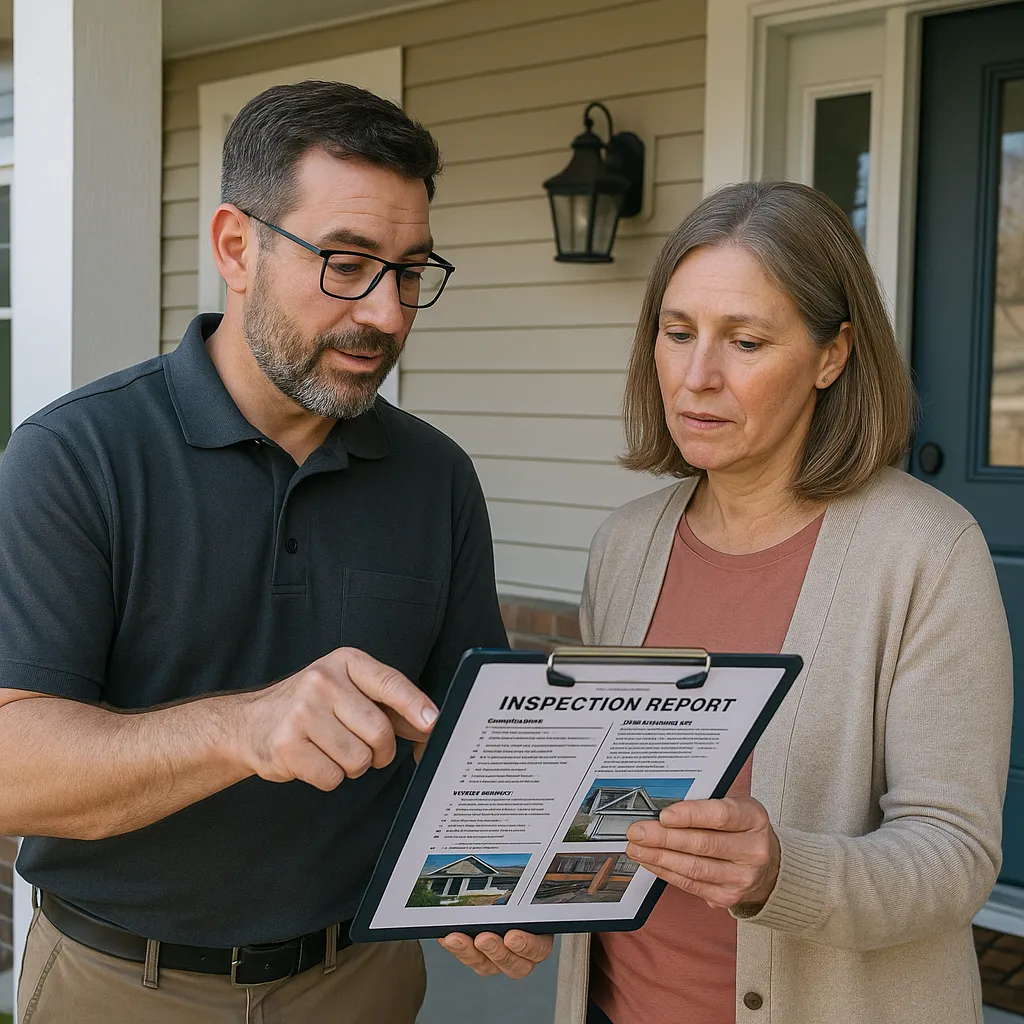
A pre-listing inspection is a standard home inspection — conducted by a licensed inspector — ordered by the seller before the home is listed for sale. The inspection covers the same systems and components a buyer's inspector would evaluate: roof, foundation, electrical, plumbing, HVAC, and all visible structural components.
The difference is timing: you get the results on your schedule, before the home hits the market, before a buyer is under contract, and before you're under any deadline pressure to respond.
Cost: A pre-listing inspection costs the same as a buyer's inspection — typically $400–$700 depending on home size and age. See our complete home inspection guide for what inspectors cover in detail.
The Case For: Why Pre-Listing Inspections Help Sellers
No Surprises Under Contract
The most stressful moment in a home sale transaction is when the buyer's inspection report comes back with items you didn't know about — and you're now under contract, under a deadline, and negotiating from a reactive position. A pre-listing inspection eliminates this dynamic entirely. You know what's there before anyone else does.
Strategic Decision-Making on Your Timeline
When you discover an issue before listing, you have time to make a deliberate decision: fix it, price to reflect it, or disclose it proactively. You're not reacting under the pressure of a contract deadline with a buyer ready to walk away. You can get contractor estimates, evaluate the ROI, and make the right call.
Transparent Disclosure Builds Buyer Trust
A seller who provides a pre-listing inspection report — or a list of items found and subsequently addressed — signals confidence and transparency to buyers. It reduces the likelihood of surprise renegotiation after the buyer's inspection, because buyers aren't discovering things you didn't know about. This is particularly powerful in competitive offer situations: buyers who feel a seller has been forthcoming are more confident making strong offers.
Reduced Inspection Negotiation Friction
Buyers negotiate hardest when they feel surprised. A pre-listing inspection reduces the surprise factor — either because you've addressed the items, or because buyers have known about them from the moment they made their offer. The items are already factored into the price rather than emerging as new information in the negotiation.
The Case Against: When to Skip the Pre-Listing Inspection
Disclosure Obligation
This is the primary consideration: in Minnesota, anything you know about your home must be disclosed on the seller's disclosure form. A pre-listing inspection expands what you formally know. If an inspector finds a significant defect that you might not have been aware of otherwise, you are now obligated to disclose it — and you cannot simply choose not to address it without disclosing it to buyers.
This doesn't make pre-listing inspections dangerous — it makes honest, strategic decision-making essential. For sellers who are confident their home is in good condition, this is rarely a concern. For sellers who suspect significant issues, the expanded knowledge requires a plan.
Newer Homes in Good Condition
A home built within the last 10–15 years, well-maintained, with no known history of water, electrical, or structural issues, may not benefit significantly from a pre-listing inspection. The cost may outweigh the informational benefit in straightforward cases.
Who Should Almost Always Get a Pre-Listing Inspection
- Homes built before 1985 — older homes have more systems at or approaching end of service life and more opportunity for deferred maintenance accumulation
- Homes with a history of water, foundation, or electrical concerns — knowing the current status of a known issue is far better than discovering it under contract
- Sellers who haven't had a professional inspection of their home in 5+ years
- Estate sales or situations where the seller has limited knowledge of the home's condition
- Sellers who want to maximize their pricing confidence — a pre-listing inspection gives you the information to price precisely rather than building in uncertainty
How to Use the Pre-Listing Inspection Results
Once you have the report, sort findings into three categories — the same framework we use for all pre-listing repair decisions:
- Address before listing: Safety issues, items affecting financing or insurability, and high-ROI repairs. See our guide to what repairs are worth making before selling.
- Disclose and price to reflect: Items you choose not to repair. Disclose them clearly on the seller's disclosure form and price the home to reflect their cost.
- Document and note: Minor maintenance items that don't affect pricing but demonstrate transparency when shared with buyers.
For questions about what must be disclosed based on your inspection findings, consult a qualified real estate attorney. See our complete seller disclosure guide for the full disclosure framework.
🏡 Real Estate Planner Perspective: We recommend pre-listing inspections for most Minnesota sellers — especially for homes over 15 years old. The sellers who know their home's condition before they list make better decisions, price more accurately, and have dramatically smoother transactions. Book a pre-listing consultation with Circle Partners →
Frequently Asked Questions: Pre-Listing Inspections in Minnesota
How much does a pre-listing inspection cost in Minnesota?
A pre-listing inspection costs the same as a buyer's inspection — typically $400–$700 for most homes, depending on size, age, and inspector. Older and larger homes cost more. Specialty add-ons (radon testing, sewer scope, chimney inspection) cost extra. The investment is worthwhile for most sellers because it provides information that enables strategic decision-making before the listing — and reduces the risk of expensive surprises during the transaction.
Does a pre-listing inspection replace the buyer's inspection?
No. The buyer retains the right to conduct their own inspection regardless of whether the seller has provided a pre-listing inspection report. Most buyers will still conduct their own inspection — partly for their own due diligence and partly because lenders and real estate attorneys advise it. However, when a buyer's inspection occurs in a home where a pre-listing inspection has already been conducted and issues have been addressed or disclosed, the results are typically less surprising and the negotiation is typically smoother.
Do I have to share my pre-listing inspection report with buyers?
You are required to disclose known material defects on the seller's disclosure form — and a pre-listing inspection expands what you formally know. Whether you share the full inspection report with buyers (as opposed to addressing findings in the disclosure form) is a strategic decision you should make with your agent and, for legal questions, a qualified real estate attorney. Some sellers share the full report proactively as a transparency signal; others address known issues in the disclosure form without providing the full report.
What if the pre-listing inspection finds something major?
This is exactly what the pre-listing inspection is designed to surface — on your timeline, before a buyer is in the picture. If the inspection reveals a significant issue, you have options: address it before listing (strongest position), price the home to reflect the condition, or disclose and let the market price it. The worst outcome would be discovering the same information under contract with a buyer ready to walk away. Having it surface pre-listing gives you control.
Should I get a radon test as part of my pre-listing inspection?
Yes — strongly recommended for most Minnesota homes. Minnesota has elevated radon levels in many areas, and radon results must be disclosed if you have them. Knowing your radon level before listing allows you to install a mitigation system if needed ($1,000–$2,500) and market the home with confirmed low radon — rather than leaving this as a buyer's inspection surprise. See our radon and selling guide for the full seller's perspective.
Is there a downside to getting a pre-listing inspection in Minnesota?
The main consideration is that a pre-listing inspection expands your disclosure obligations — anything the inspector identifies is now known to you and must be disclosed. For sellers who suspect significant issues and are hoping to sell without learning about them, a pre-listing inspection eliminates that option (and willful ignorance is not a legal defense anyway). For most sellers in good-condition homes, the informational benefit far outweighs any disclosure consideration.
When should I schedule my pre-listing inspection?
Schedule the pre-listing inspection 6–8 weeks before your target listing date. This gives you enough time to: review the report, make strategic decisions about what to address, schedule and complete any contractors' work, and complete your updated seller's disclosure before the home goes live. Scheduling it too close to the listing date removes the strategic advantage of having results on your timeline.
Information Is the Seller's Greatest Asset
The sellers who navigate the transaction process most smoothly are almost always the ones who started with the most information. A pre-listing inspection is the most direct way to get that information — on your schedule, before anyone else has it.
At Circle Partners — KW Real Estate Planners, we help Minnesota sellers use pre-listing inspections as a strategic tool — not just a formality.
📞 Call us: 763-340-2002 | 📧 Email us: [email protected] | 📍 16201 90th St NE, Suite #100, Otsego, MN 55330
🗓️ Book Your Free Real Estate Planning Consultation
Circle Partners is a licensed real estate team with KW Real Estate Planners, serving buyers and sellers across Minnesota. This post is for informational purposes only and does not constitute legal, tax, or financial advice. Always consult a qualified attorney, CPA, or licensed professional.